

Four Foundations of Success : ค้นหาหนังสือธรรมะ หน้า 4 / 40
หน้าหนังสือทั้งหมด
14
Understanding Karma and Human Behavior
Introduction
of our actions having brought this suffering of disharmony into our lives and seek to address the causes that are creating and accumulating bad karma. And our accumulated karma designate
This text delves into the impact of our actions on accumulating karma and the subsequent effects on our lives and rebirth. It outlines the ten bodily conditions we face as we navigate life and the nec
39
Cultivating Good Habits in Education
Teacher should remind themselves often that only good habits cultivate progress in academic and moral knowledge.
Right Thought — About Human Survival, Livelihood and Interaction
Right thought comes fr
ในบทความนี้กล่าวถึงความสำคัญของการปลูกฝังนิสัยดีในด้านการศึกษาและจริยธรรมสำหรับครูและนักเรียน ครูควรเตือนตัวเองเสมอว่านิสัยดีจะช่วยพัฒนาความรู้ทั้งด้านวิชาการและจริยธรรม การพูดและการกระทำที่ถูกต้องเริ
27
Understanding the Four Noble Truths in Buddhism
**1. Saccaṇāṇa:** This first cycle of examination of the knowledge of the Four Noble Truths established the knowledge of the Truth of their Existence. Thus he was to find out: 'this is the Noble Truth
This text outlines the process of examining the Four Noble Truths in Buddhism through three cycles: Saccaṇāṇa (knowledge of existence), Kiccāṇāṇa (knowledge of duty), and Kataṇāṇa (knowledge of fulfil

49
The Artistry Behind Preaching the Four Noble Truths
3
The Four Noble Truths
The Artistry Behind Preaching the Four Noble Truths
In the Dhammacakkapavattana Sutta as in his other sermons, the Lord Buddha explains not only Dhamma subjects, but the relat
In the Dhammacakkapavattana Sutta, the Lord Buddha presents the Four Noble Truths, emphasizing their interconnected nature. Each Noble Truth is not standalone; they influence and clarify one another.
50
Understanding the Noble Truths of Suffering
the 'Noble Truth of the Suffering', the 'Noble Truth of the
Origin of Suffering' and the 'Noble Truth of the Cessation
of Suffering'. In brief, the artistry of the Lord Buddha is to
integrate all four
The teachings of the Lord Buddha encompass the Four Noble Truths, with a significant focus on understanding suffering. Suffering is characterized through various forms — from birth to death, highlight
131
Mindfulness and Right Concentration in Buddhism
7.4 Mindfulness of the *dhammas* in the *dhammas*
Mindfulness of the *dhammas* in the *dhammas* is to see and consider the mental phenomena both inside and outside, the whole of the time. Seeing the
Dieser Abschnitt behandelt die Achtsamkeit gegenüber Dhammas und die richtige Konzentration im Buddhismus. Die Achtsamkeit richtete sich sowohl auf innere als auch äußere mentale Phänomene, die erford
144
The Components of the Eightfold Path
The Components of the Eightfold Path all arise together
When the factors of the Eightfold Path arise, they do so to-
gether — just as the elder monk Koṇḍañña, after listening
to the Dhammacakkapavatta
This text discusses the Eightfold Path, emphasizing how all eight components arise together as illustrated by the elder monk Koṇḍañña's attainment of Stream-Entry. It explains the importance of Right
177
The Enlightenment of the Buddha’s First Disciple
The Enlightenment of the Buddha’s First Disciple
In preaching the Dhammackakapavattana Sutta, the Buddha revealed the Thirty-Seven Factors of Enlightenment [bodhipakkhiyadhamma], the Cycle of Depende
The Buddha, in the Dhammackakapavattana Sutta, introduced the Thirty-Seven Factors of Enlightenment, laying down the framework of the Four Noble Truths and the Cycle of Dependent Origination. Dhammaca
200
The Middle Way and the Four Noble Truths
3. Right Speech [Sammā Vācā]
4. Right Action [Sammā Kammanta]
5. Right Livelihood [Sammā Ājīva]
6. Right Effort [Sammā Vāyāma]
7. Right Mindfulness [Sammā Sati]
8. Right Concentration [Sammā Samādhi]
This text discusses the Middle Way as taught by the Tathāgata, emphasizing the importance of Right Speech, Action, Livelihood, Effort, Mindfulness, and Concentration as a means to attain insight and e

209
Understanding Arahantship in Buddhism
he would become an arahund. Having done the three cycles for each of the Four Noble Truths in each of the Four Inner Bodies, he would have completed the:
"sixteen tasks — until invulnerable to hardshi
This text outlines the journey towards achieving Arahantship as prescribed in the Buddhist tradition, focusing on the importance of completing the sixteen tasks linked to the Four Noble Truths and the
23
Untitled
Universal Goodness : 21
Life’s Limitations
1. Life Is Made Possible Because of the Four Needsies.
To survive, human beings require the four necessities of life, namely, clothing, food, shelter and
No content provided for summary.
39
Pearls of Inner Wisdom: The Brink of Success
38
Pearls of Inner Wisdom
25. The Brink of Success
Every time we sit cross-legged
with our attention firm
and our mind still
at the centre of the body,
although our mind may sometimes
suffer sleepines
In 'Pearls of Inner Wisdom', the importance of maintaining a daily meditation practice is emphasized. Each moment spent in meditation brings us closer to enlightenment, despite challenges like sleepin
5
Dedication of the Phongsawasdi Family
Dedication
May every family that reads this book, have happiness, success, and the resolve to always perform good deeds.
We dedicate the merits accrued through every written word in this book, to ou
This dedication expresses heartfelt wishes for happiness and success for families reading the book. It honors the memory of ancestors Soon and Huay Phongsawasdi and all family members who have passed
56
The Miraculous Establishment of Dhammakaya Temple
pinnacle of success as we know today. Chayaboon and Padej were the driving force behind many of Khun Yai's success.
After the ordination of Luang Por Dhammajayo, Khun Yai felt the time was right for
The establishment of the Dhammakaya Temple is a testament to Khun Yai's vision and determination. With only 3,200 Baht, she believed in the power of merit and, on Lady Prayad's birthday, managed to ac
149
Meditation Techniques From Wat PakNam
Suzanne Jeffrey
This meditation technique was re-discovered, and then taught, by Luang Pu Sodh Wat PakNam, the Abbot of Wat PakNam in Bangkok, Thailand. This rediscovery happened in 1914. His “best”
This text explores meditation techniques rediscovered by Luang Pu Sodh at Wat PakNam in 1914. His teachings emphasize stillness of the mind as key to meditation success. Detailed steps include stretch
36
The Hardships of Earning a Living
ways: for example, some are farmers, some run businesses, some tend dairy cattle, some are soldiers, some are civil servants, some are elephant trainers, some are horse trainers. No matter which way o
This text discusses the various livelihoods people engage in, from farming to business and training animals, emphasizing the hardships each profession entails regardless of the success one achieves. I
122
Understanding the Basics of Quantum Physics
120 : Universal Goodness
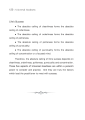
Life's Success
● The absolute ceiling of cleanliness forms the absolute ceiling of orderliness.
● The absolute ceiling of orderliness forms the absolute ceiling of politeness
This book provides a comprehensive introduction to quantum physics, covering essential concepts such as wave-particle duality, superposition, and entanglement. It aims to demystify complex ideas and p
63
The Role of Parents in Raising Good Children
children. They must strictly adhere to the following three
virtues: wisdom, discipline and loving kindness. This way,
parents will have a chance to conceive a wonderful child. They
will be good role m
This chapter discusses the essential virtues of wisdom, discipline, and loving kindness that parents must embody to raise wonderful children. By being good role models and understanding their children
52
Raising Children: Essential Habits for Success
Part Two: Raising Children
Getting up early in the morning is an important habit
to be aware of and will serve our child well both
in school and at work. Going to sleep earlier in the
evening is impor
In raising children, instilling good habits such as waking up early and going to bed on time lays a foundation for success in school and work. Teaching cleanliness practices including hygiene is essen
54
Raising Children: The Four Requisites for Success
Part Two: Raising Children
using the four requisites. We will need to ask ourselves if we
have the ability to maintain quality (always delivering our
best); ability to manage our time (seeing all the
In raising children, it's crucial to embody qualities of quality, time management, and financial prudence, as children absorb both good and bad traits from their parents. By consistently modeling thes